 |
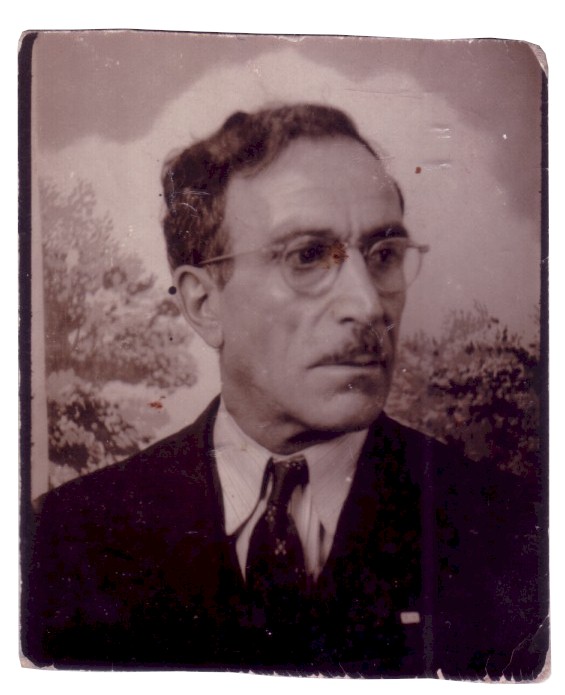
In April,
1913,
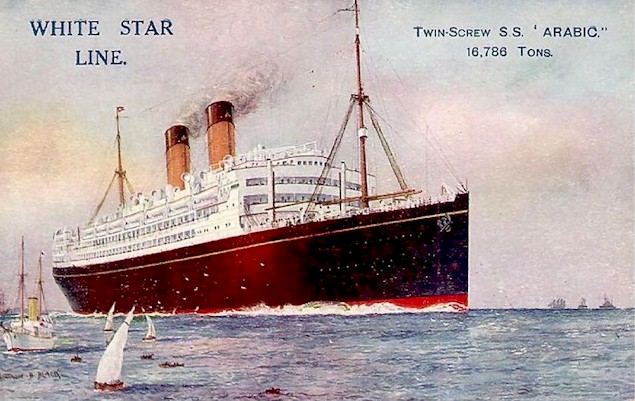
Gaetano came to America on
the Steam Ship Berlin,
later re-named the SS Arabic, at left.
Rosa remained temporarily
in Sicily. Aboard the same ship with Gaetano was
Rosa's sister Angela, who
had married Gaetano’s brother
Giuseppe.
Giuseppe was already
in America, at Robertsdale, Pennsylvania.
Gaetano, with
Giuseppe's
wife Angela, went to
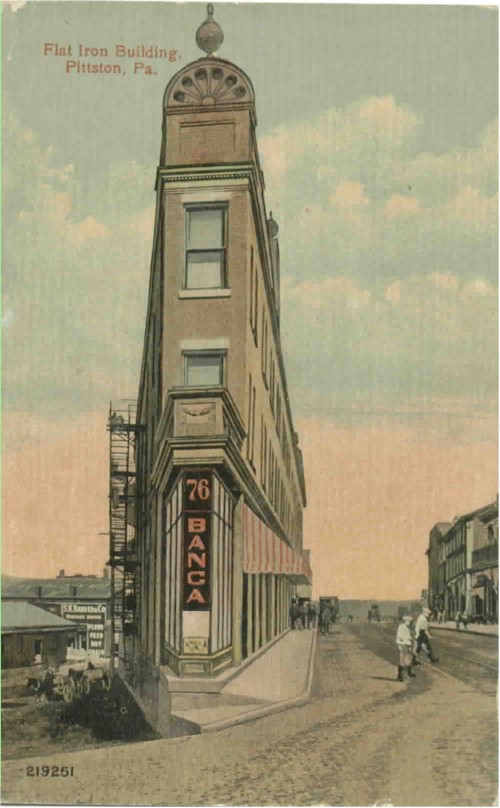
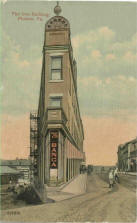
Pittston, Pennsylvania,where
they evidently picked up instructions, or possibly
train fare, that Giuseppe had left at the
Italian-speakers bank at 76 Main Street, pictured at
right.
They then travelled to Robertsdale, where
Gaetano and Giuseppe, as well as many other Serradifalchese
immigrants, worked as coal miners. |
 |
|
Robertsdale was a 'Company Town', where the homes, facilities, etc. were owned
by the Rockhill Iron and Coal Company. Miners were virtually 'owned' by
the company, and about the only place they could spend their wages was at the company store.
This exploitation of workers was made famous in the song
"Sixteen Tons"
by Merle Travis, sung by Tennessee Ernie Ford.
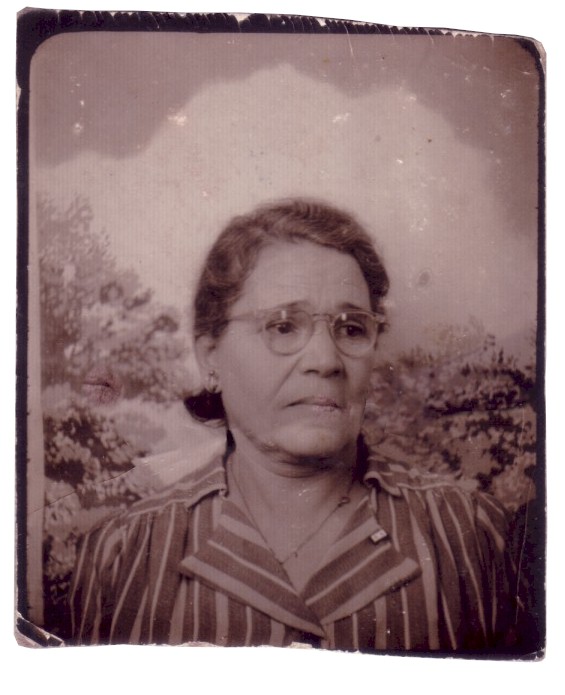
Rosa came
to Ellis Island almost two years later, on the Steam Ship
Patria, on December
14th, 1914. With her was their first child, Gaetano Vincenzo (Guy Vincent), born on December 21st, 1913 in Serradifalco. World War I was
being fought, and many passenger ships carrying civilians were being torpedoed in the
Mediterranean by German U-Boats. Thankfully, she and little
Guy made it
safely. The ship Patria was later involved in an infamous
bombing in Haifa Harbor when it was being used in an attempt to transport
outcast German Jews to then-Palestine.
Rosa and Guy joined Gaetano, and the family grew with the births of Leonard, Raymond and Phil, at 100 Spring Street in Robertsdale.
Next door was No. 96 Spring, the home of
Calogero Butera and his wife
Grazia Asarese, their friends from Serradifalco.
The homes, of course, were rented, and the rent was paid to the 'Company'.
In 1921, after Phil's
birth (in 1920) and before
Millie's (in 1923),
they moved to Buffalo and lived briefly in 'the
Hooks', at 18 Pearl street in the canal district named, after its major
street, 'Dante
Place', which was the name of the former Canal Street. Millie was
baptized at the district's Mt. Carmel Church, the first
Sicilian-neighborhood Catholic church in Buffalo.
By about 1925, they had moved to 309
Myrtle Avenue, where the twins Connie and Mary
were born, followed by
Tony.
All the children had been delivered at home, and all were healthy; but in
June, 1932 a baby, Giuseppe, was stillborn. On August 21, 1936, I, Angelo,
became the first Coniglio to be born in a hospital, and two days later, my
nephew Guy III (Guy Vincent and Mary Modica's first son) became the second.
Guy III was actually the fourth straight Guy or Gaetano in
the family, but in those days, we for some reason didn't account for my
grandfather Gaetano!
Guy III was called Guy Jr. by the family, or sometimes
'Sonny' or 'Guy-Guy'. Though I preceded him into life
by two days, he would finish three years before me in another
accomplishment, when he would become the first Coniglio to graduate from
college. His brother
Ronnie would be the second, and I would be the third.
Like his father before him, my father's oldest and
youngest children had a wide age spread. My brother
Guy
was born 23 years before I was. Eventually,
Guy and Mary would have a son Brian in 1959, who was also 23 years younger than his oldest
brother. From 1836, when my grandfather Gaetano was born, to 1959,
when Brian was born, 123 years had passed. Only four generations in
our family covered a period that would be five or six generations in many.
Rosa and Gaetano and
their family lived on
Myrtle Avenue from about 1925 until 1944. Their home was next door to
their friends the Cordaro
and Modica families, and across the street from the Capodicasa family
plant that produced the cleaning fluid 'La Stella'. They
worshipped at St. Columba's Roman Catholic Church, and the children
attended Public School No. 35, and then, when it closed, No. 6. Those
who continued through high school attended Hutchinson Central, with the
exception of Tony, who went to Technical.
Mary
Modica lived with her parents Carmelo Modica and Giuseppa Cordaro
at 307 Myrtle Avenue, and when her parents moved, she
remained there for a time, living with her uncle
Rosario Modica and aunt Maria Antonia (Z'Anto) Cordaro. Guy and Mary
were in third grade together at School 35, when
Guy gave Mary fourteen Valentines! They eventually married and had six children, eleven
grandchildren, and seven great-grandchildren (through 2010).
In addition to
purchasing 'La Stella' fluid from across the street, the family frequented
local businesses and stores like Santora's Pizzeria, Naples'
Grocery, Frustiano's and Mrs. Brooks'.
Gaetano was known to "tip a few" at Marconi's Saloon, and
the kids played at Welcome Hall Community House, where their father
was custodian, and went to the
movies at the Academy, the Seneca, and Roxy theatres.
Phil told the story of his first date, around 1932, when he had
fifty cents in his pocket and took his date to the Roxy: ten
cents apiece for admission, a nickel apiece for candy bars, and ten cents
for a box of popcorn. And he went home with a dime! During summers in the 1930s and early 1940s, the whole family was trucked to
Musacchio's farm in North Collins, NY, where we all picked beans and
berries for pennies.
Nine boisterous kids helped turn Rosa's hair grey, what with Phil and Ray often getting into 'brotherly' disagreements (Ray
says
Phil
would frequently pound on him, but
Ray, the larger and older of the two, would never lay a hand on
Phil!) Meanwhile,
Rosa and Gaetano tried to figure out how to keep neighborhood boys away from
teen-age beauties Millie, Mary, and Connie. Ray has a short finger on one hand, the result of "horsing
around" when he was about 14, with his friend Joe Calcaterra.
They were wrestling near an old shed, when Ray's finger was caught in the
hasp of a lock and the end was torn off. Ray says he "found the tip
and threw it down the sewer". The doctor who sewed him up told him he
could have re-attached it.
As an infant, I once was found screaming on the kitchen floor next to the
washing machine, my hand to my bloody face. My father Gaetano
swept me into his arms and ran water on my face at the
kitchen sink: no injury, but when he rinsed my hand, a finger dropped into
the basin! He grabbed the finger and rushed me to the hospital, where,
the story goes, the doctor stuck the finger in place and bandaged it,
without stitches. I still have the finger. It looks a little
weird, but it works! Luckily, no one "threw it down the sewer".
Ray, then 19, would push my "kiddy car" (stroller) as I
convalesced.
And then there was Leonard ~ second son, always
looking for one adventure or another: running away with the circus at age
fourteen; joining the Navy and "shipping out" two (or three, or four) times.
Seeing all of her sons go into
military service wore heavily on Rosa. Before and after Guy married his sometime next-door neighbor Mary Modica, he worked for several years at the
Cataract-Sharpe glass factory, where he etched wine goblets and other
fine glassware. Sometimes, on Saturdays, he'd take Ray with him to watch him at work. Guy and Mary gave a set of the goblets to Ray and his bride Marion Cappellano, in 1941. Guy served in the US Naval Reserve in the late 1930s,
including duty in Cuba and service with the Atlantic Neutrality Patrol on the
destroyer
USS Bernadou.
Before WWII began, Guy had been exempted from active duty because of his
prior overseas service and because he already had a family with two young
children (Guy Jr. and Ronnie). Guy was in the Reserve for about
eight years, and Ray served with him during the last four, when they took
annual 15-day cruises: in 1936, on the battleship
USS Wyoming; 1937, the destroyer
USS Dickerson; 1938, the battleship
USS Arkansas and in 1939 the heavy cruiser
USS Vincennes.
Ray remembered that the Arkansas grounded on sandbars in
the Caribbean, and it took several days for the concerted efforts of a
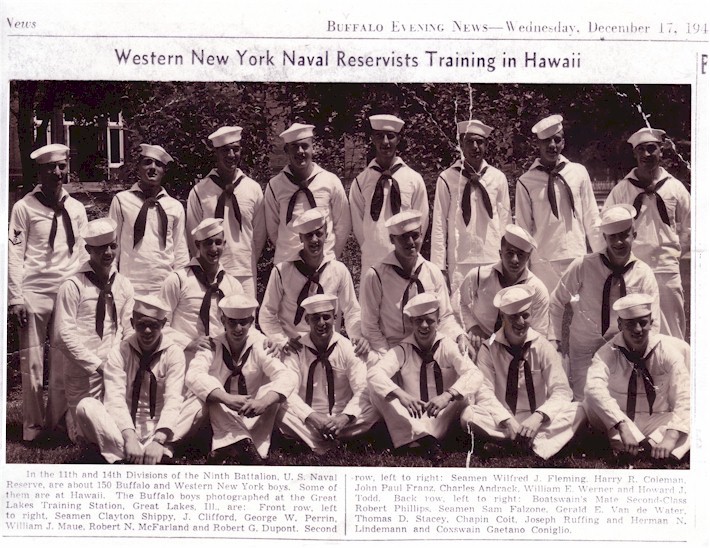
number of companion ships to set her free. Some of their comrades from the
Great Lakes Naval
Station later served in Hawaii. Phil, Leonard and Ray
all served during the war.
Phil
was fortunate to get stateside duty in the Navy, at the
Banana River Airbase at Cocoa Beach, Florida;
Leonard was in the Navy too, and was on the troop carrier
The
USS Republic, which left Pearl Harbor two days before the Japanese
attack on December 7, 1941 as part of the heavy cruiser
USS Pensacola convoy; Ray married Marion Cappellano on Valentine's day 1941, and then left for duty as
an Army infantryman who took part in the first US WWII combat in Africa: in Algeria, French Morocco,
and Tunisia. The ship that transported his regiment there was the same
one that Guy
had earlier served on, the USS Bernadou!
Ray
went on to combat in Sicily, and
in the Utah Beach attack on Normandy, days after D-Day, 1944, then through
France, Belgium and Germany.
Tony
and I were too young to serve during WWII, but he did his
stint in the Navy in the late 1940s, and I was in the Army in Germany in the
mid-1950s. While our older brothers were in the war,
Millie, Mary and Connie did their part in emulating 'Rosie the Riveter',
working across town at the East Delavan Chevrolet factory (then called a
'Defense Plant'). Guy
also worked there for years as a tool and die maker, and
Tony later was a
labor foreman there.
Phil worked at the River Road Chevy plant after the war.
In
1944, the family moved to another home, at 973 West Avenue in Buffalo,
across from the Battaglia family's Vieni Su Pizzeria. Next door
lived their old paesani and friends from Serradifalco and
Robertsdale,
Calogero and Grazia Butera. Tragically, shortly after
moving in, on July 4, 1944 at age 55, Gaetano was struck and killed by a hit and run driver on the corner
of Niagara and West Ferry, near the Deco coffee shop. I was
seven, and those were still the days when loved ones were laid out in their
homes for the wake. Rosa was inconsolable, and carried the grief of her husband's
loss deep in her heart, for the remainder of her life.
In the years immediately following the move to West Avenue, a wave of
marriages occurred: Millie married Alphonse (Al) Volo, whose father was another Serradifalchese,
Michele Volo,
who had settled in North Collins, where
Millie and Al
had
met during a family summer work-excursion.
Mary married Fiore Denisco, and on his passing,
Frank Sowa; and Connie married Donald (D.K.) Miller, a sailor from Danville, Illinois who had been stationed in
Buffalo. They went on their honeymoon on a Harley.
Tony married Frances Knickerbocker. I, still a teenager in 1950, graduated from
Public School No. 19 and entered Lafayette High School, the only one in the
family to go there. In 1961, I married Angie Bongiovanni,
my high-school sweetheart from Lafayette. She had
lived at 93 West Ferry, next to the Deco, where in 1944,
Gaetano
had had his last cup of coffee.
Angie used to stop by 973 West on her way to Lafayette, to walk
me to school. At first Rosa, always protective of her baby boy, would tell
Angie: "Angelo no home!" |